March 21, 2026 • 5 min read
6 Reasons Tracing Activities Matter for Toddlers
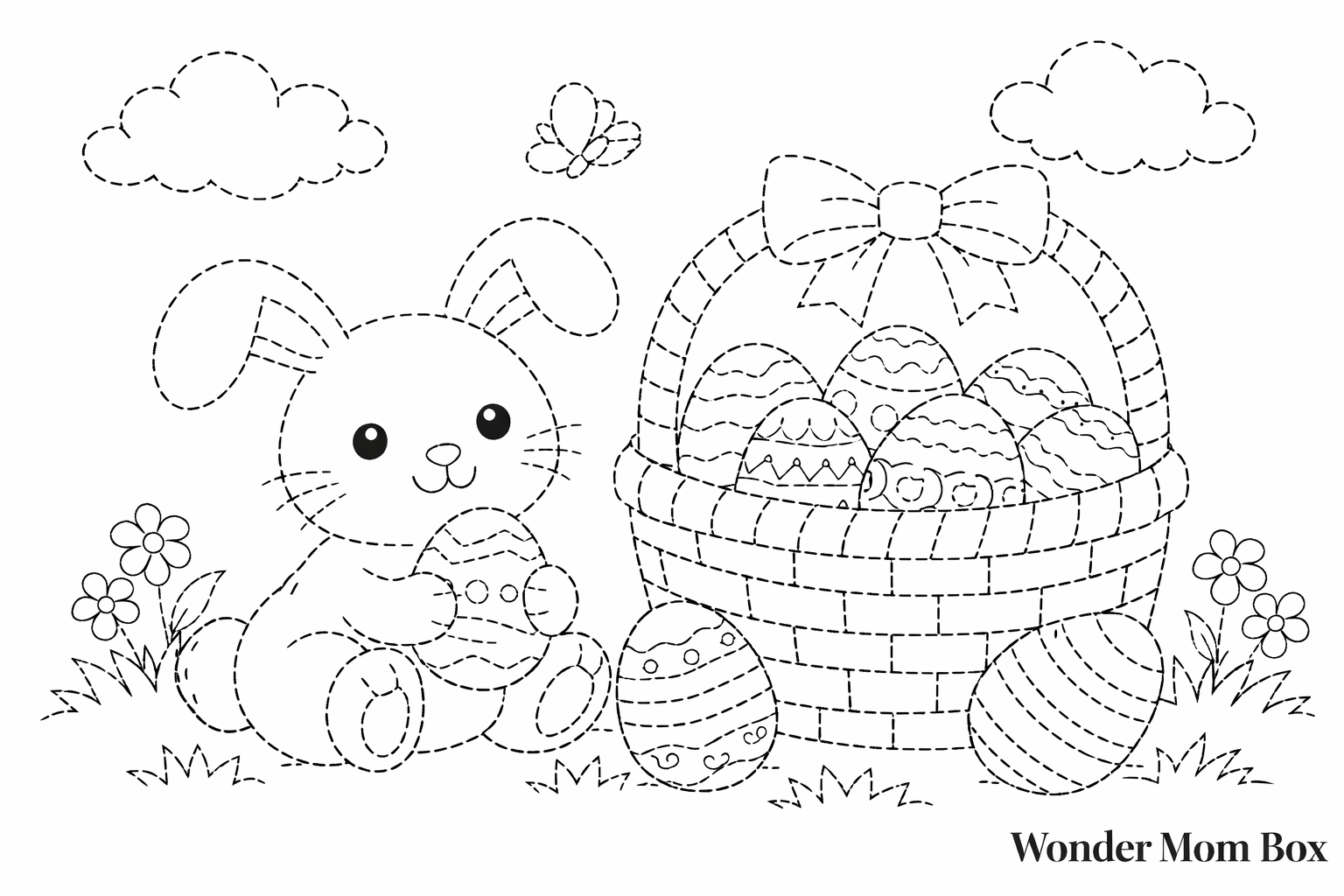
Your Easter tracing printable is not just a cute seasonal activity. It gives toddlers a playful, low-pressure way to practice early motor and visual skills that support drawing, writing, and school readiness later on.
1. Tracing builds pre-writing skills. Before children can form letters, they need practice with simple strokes, curved lines, direction changes, and controlled hand movements. Research reviews on early literacy also show that early writing and name-writing tasks are meaningful predictors of later reading and writing outcomes.
2. Tracing strengthens hand-eye coordination. A child has to look at the path, notice where it starts and ends, and guide their hand to stay close to that line. Studies on handwriting development consistently link visual-motor integration, eye-hand coordination, and manual control with writing performance.
3. Tracing improves fine motor control. Holding a crayon, marker, or pencil and moving it with more control strengthens the small muscles of the hands and fingers. Research in preschool and kindergarten populations has found that stronger fine motor skills are associated with better early academic performance, especially on tasks connected to writing and literacy.
Source: Fine Motor Skills and Executive Function Both Contribute to Kindergarten Achievement; Impact of Psycho-Educational Activities on Visual-Motor Integration, Fine Motor Skills and Name Writing among First Graders
4. Tracing supports pencil control and directionality. Children practice starting and stopping in the right places, following a path, and moving in organized ways across the page. The National Early Literacy Panel identified writing and name-writing as important early predictors of later conventional literacy, which helps explain why simple paper-and-pencil activities can matter so much in the early years.
5. Tracing gives toddlers a simple way to practice focus and persistence. A child is working toward a visible result, which encourages them to slow down, stick with the path, and finish the task. While tracing is not a magic fix for attention, it can create a structured, doable moment of concentration that feels manageable for little learners.
6. Tracing turns skill practice into something creative. Once the path is complete, toddlers can color in the bunny, egg, or spring picture and make it their own. That mix of structure and creativity helps early learning feel like play instead of work.
That is why simple tracing printables can be so useful at home: they are easy to start, easy to repeat, and quietly build school-ready skills through a short, screen-free activity.
Sources & Further Reading
- National Early Literacy Panel Report (NICHD)
- Fine Motor Skills and Executive Function Both Contribute to Kindergarten Achievement
- Impact of Psycho-Educational Activities on Visual-Motor Integration, Fine Motor Skills and Name Writing among First Graders
- The Effect of Fine Motor Skills on Handwriting Legibility in Preschool Age Children